Thinking about a move to Stuart but not sure how daily life really feels here? You’re not alone. When you compare coastal Florida towns, the details matter: where you’ll live, how you’ll get around, what weekends look like, and what costs come with a waterfront lifestyle. In this guide, you’ll get a clear, practical overview of Stuart’s main living pockets, commute patterns, amenities, and risks so you can decide which areas fit your priorities. Let’s dive in.
Choose your Stuart lifestyle
Stuart sits on the St. Lucie River and the Indian River Lagoon, with easy boating access and a walkable historic core. Think small‑town coastal energy with a strong boating culture, plus nearby beaches a short drive away. Most residents live in one of four practical “pockets.”
Historic Downtown and Riverwalk
If you want a true in‑town lifestyle, this is where you spend more time on foot. You’ll find boutiques, restaurants, and waterfront parks close together, with community events and a low‑rise, relaxed vibe. Housing ranges from condos and apartments in infill buildings to older single‑family homes on surrounding streets. Parking can be tighter on popular nights, but the tradeoff is walkability to dining, errands, and riverfront views. For calendars and city services, check the City of Stuart’s official site.
Waterfront and Intracoastal communities
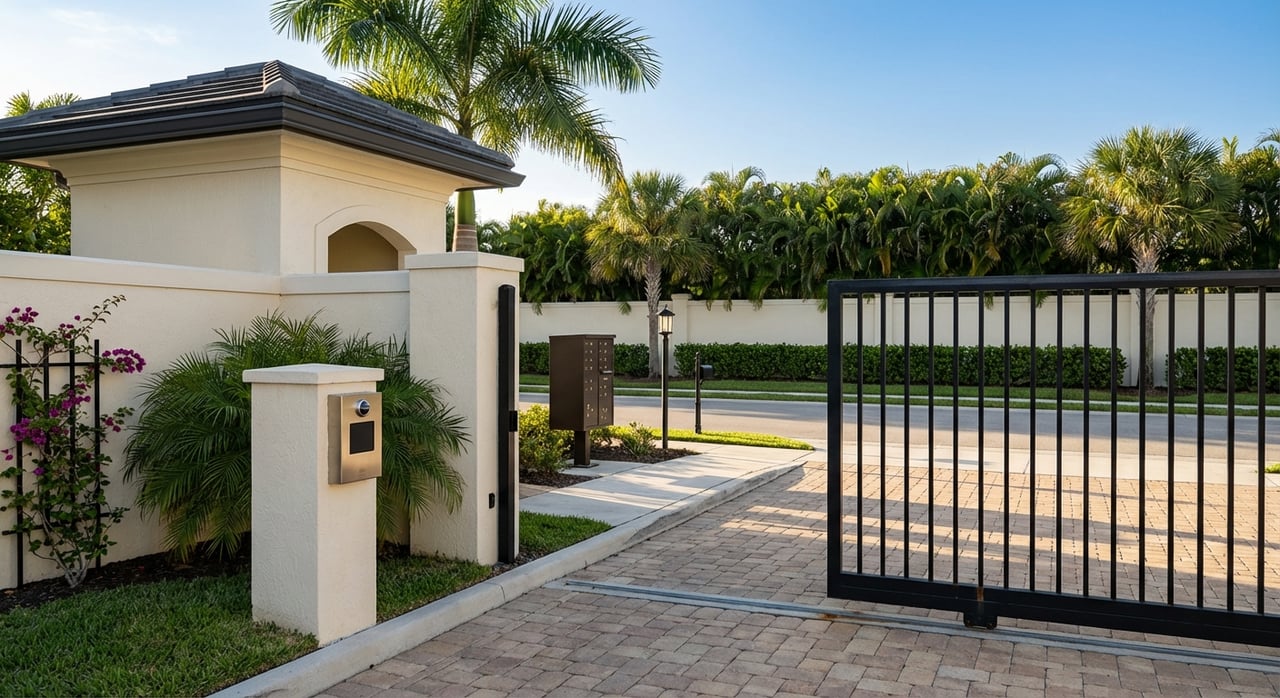
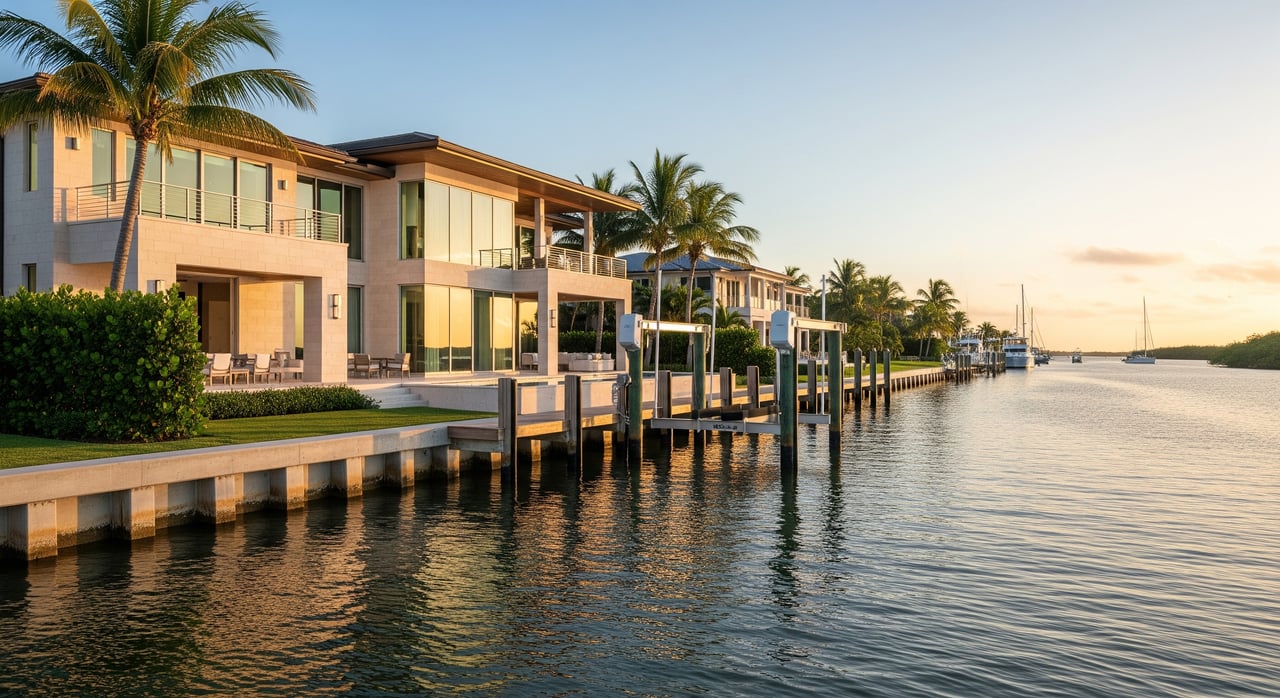
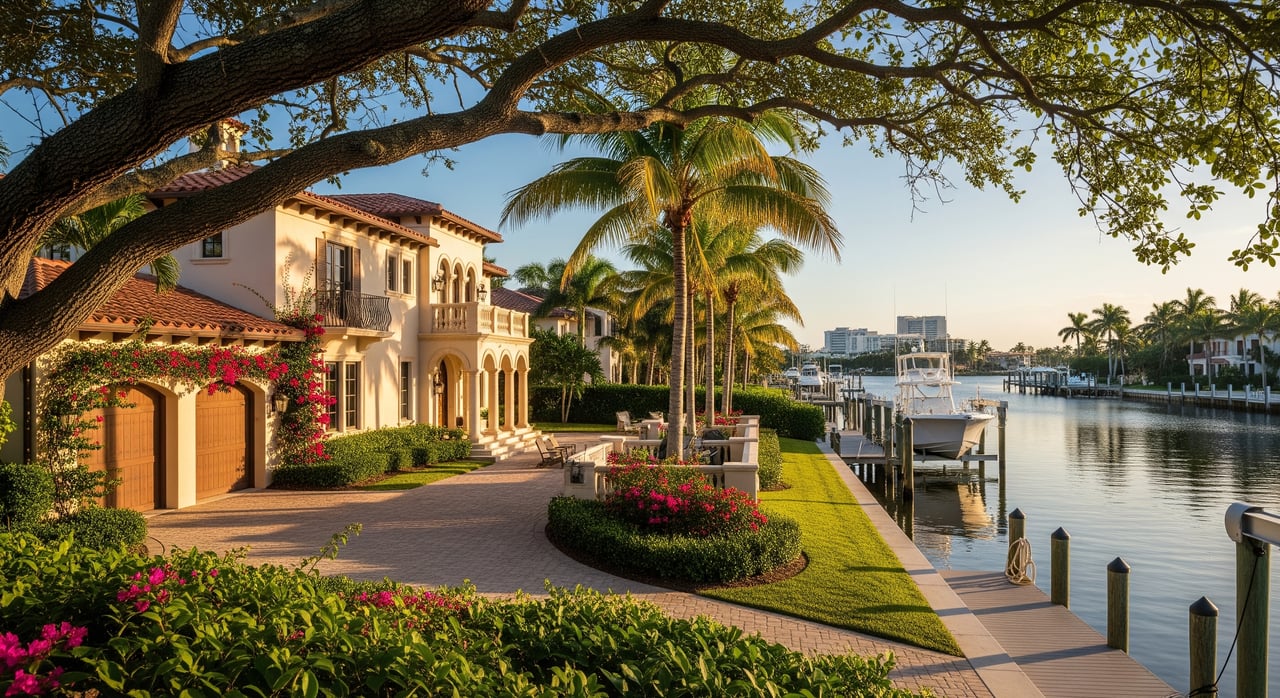
Here, boating shapes your routines. You’ll see single‑family homes with docks, luxury condos, and gated enclaves along the river, lagoon, and canals. Weekends often revolve around marinas, boat ramps, and time on the water. Be mindful of HOA rules, seawall conditions, and maintenance needs for docks and lifts. Flood insurance, wind coverage, and community fees can be significant line items, so it’s smart to budget for them early in your search.
Suburban and family neighborhoods
Inland from the river, you’ll find newer subdivisions, planned communities, and larger lots. These areas offer more space, garages, and yard time. Most errands are a short drive, with parks and recreation centers nearby. If you need a practical commute, easy access to main roads is a plus. Families should verify current attendance zones and transportation options with the Martin County School District, since boundaries can change.
Corridor and mixed‑use areas
Along US‑1 and Kanner Highway, you’ll see convenient retail, services, and a higher mix of apartments and rentals. These pockets work well if you want value‑oriented housing or quick access to groceries, clinics, and daily errands. Traffic is busier at peak hours, but your daily loop can be efficient if you plan around rush times and signal cycles.
Housing costs and key tradeoffs
Coastal Florida saw strong appreciation from 2020 to 2022, with some cooling in 2023–2024. In Stuart, waterfront and downtown homes typically carry higher price tags, while interior suburban options can offer more space for the money. Inventory spans small downtown condos, historic cottages, waterfront estates, and newer subdivisions. Expect fewer entry‑level options given the city’s size and coastal demand.
Beyond the purchase price, build a clear cost picture:
- Insurance: For properties in or near flood zones, you may need flood insurance. Wind/hurricane coverage is a separate policy. Get early quotes for both, since premiums vary by elevation, construction year, and mitigation features.
- HOA and marina fees: If a community has shared docks, landscaping, or amenities, those monthly fees add up. Marina slip rates vary by size and location.
- Property taxes: Martin County assessments and homestead exemptions affect your annual figure. Confirm with the county for your specific address and residency status.
For flood and storm due diligence, start with the FEMA Flood Map Service Center and the NOAA Sea Level Rise Viewer. Use these tools to understand a property’s flood zone, base flood elevation, and future tidal considerations before you write an offer.
Getting around: commute and access
Stuart is a car‑first city. US‑1 runs through town and handles much of the day‑to‑day traffic. For regional commutes, I‑95 sits west of the city and is the main north‑south connector. Many residents work in Martin County or commute to employment hubs in Palm Beach County. Peak‑hour congestion tends to build on US‑1 and on bridge approaches, especially during events and high season.
Public transit is limited, though downtown is more walkable than suburban areas. If you plan to commute, do a test drive at your typical departure times and watch for construction updates from the Florida Department of Transportation. If you travel often, Palm Beach International Airport in West Palm Beach is your closest major airport, with drive time depending on traffic and your starting point in Stuart.
Daily life: schools, healthcare, and services
- Schools: The Martin County School District serves Stuart. If schools are a priority, verify attendance zones, check state report cards, and map your morning drive before settling on a home.
- Healthcare: Stuart is served by hospital and clinic facilities in town and nearby. You’ll also find specialty providers across Martin and Palm Beach counties.
- Groceries and retail: Downtown offers local shops and dining, while larger grocery stores and big‑box retailers cluster along US‑1 and other commercial corridors.
- Utilities and internet: Expect standard water, sewer, electric, and trash services. Many addresses have access to high‑speed cable or fiber internet. Confirm availability for remote work needs.
- Local government and services: For permits, planning, and city services, use the City of Stuart. For county parks, utilities, and resilience resources, visit Martin County’s website.
Weekends and the Stuart lifestyle
Stuart is best known for boating and fishing on the St. Lucie River and Indian River Lagoon. Public ramps, private marinas, and charter operators make it easy to get on the water. Beaches are a short drive away in neighboring communities. If you like to be outside, you’ll have access to riverfront parks, preserves, and trails maintained by the city and county. For park maps and program updates, start with Martin County Parks and Recreation.
Downtown hosts galleries, small venues, farmers’ markets, and seasonal festivals. You’ll find a mix of casual seafood spots, waterfront dining, cafes, and local bars. Activity picks up in winter when seasonal residents arrive, and community events get more frequent. For a pulse on local happenings and planning news, follow the regional paper at TCPalm.
Flooding, hurricanes, and resilience
Waterfront living comes with practical risks. Parts of Stuart near the river and lagoon lie within FEMA flood zones, which can trigger flood insurance requirements for lenders. Even outside mandatory zones, it’s smart to assess risk and request quotes. Florida’s building codes continue to evolve, and a home’s age, elevation, roof straps, shutters, and other features can influence insurance costs and storm resilience.
Use these steps to reduce surprises:
- Pull the property’s flood zone and consider an elevation certificate. Start with the FEMA Flood Map Service Center.
- Review long‑term tidal and sea‑level scenarios with the NOAA Sea Level Rise Viewer.
- Get early quotes for flood and wind policies from both NFIP and private carriers.
- If a property is on the water, evaluate seawall condition, dock permits, and maintenance history. The City of Stuart and Martin County permitting pages can help you understand local requirements.
How to match a neighborhood to your needs
Use this quick framework to narrow options:
- Lifestyle first: Do you want to walk to dinner, live on the water, or have a larger yard and a quiet street? Rank these preferences before touring.
- Commute reality: Test your typical drive at peak times. Watch for bridge backups and US‑1 traffic.
- Cost clarity: Add insurance, HOA, and potential marina fees to your monthly budget. Include reserves for dock, seawall, or roof maintenance if relevant.
- Schools and routines: Map school pickup lines, extracurriculars, and grocery runs from each target neighborhood.
- Flood and storm risk: Confirm zone, elevation, and mitigation features for each short‑list property.
Your next step
If you’re relocating to Stuart, you don’t need to figure this out alone. A clear plan, tailored tours, and address‑specific due diligence make your decision easier and more confident. Ready to compare neighborhoods, refine your budget, and see on‑market options that match your lifestyle? Reach out to Johannes Bartl to schedule a consultation.
FAQs
What is daily life like in downtown Stuart?
- You’ll have a walkable core with restaurants, shops, and riverfront parks nearby. Housing includes condos, apartments, and older homes, and parking can be tighter on busy nights.
How far are beaches from homes in Stuart, FL?
- Most of Stuart’s shoreline is river and lagoon. Ocean beaches are a short drive away in neighboring communities, so plan on a quick car trip for beach days.
Are Stuart neighborhoods walkable, or will I need a car?
- Downtown is relatively walkable, but most neighborhoods in Stuart are car‑oriented. You’ll likely drive for errands, school, and work outside the core.
What extra costs should I plan for near the water?
- Budget for flood insurance, wind/hurricane coverage, HOA or condo fees, and potential marina or dock expenses. Seawall and roof maintenance can also affect long‑term costs.
How bad is traffic around Stuart during rush hour?
- Expect congestion on US‑1 and bridge approaches during peak hours and events. If you commute, test drive your route at your usual times and monitor FDOT updates.
How do I check school zones for a Stuart home?
- Verify attendance zones and transportation details with the Martin County School District. Zones can change, so confirm for each specific address.