Ready to sell on the water but unsure how to price your North River Shores home? You are not alone. Waterfront values hinge on details like frontage, dock depth, elevation, and permits, and small differences can swing price. In this guide, you will learn a clear, step-by-step way to price your property with confidence using what matters most in North River Shores, what to document before you list, and how to position your home for the best outcome. Let’s dive in.
What drives value on North River Shores waterfront
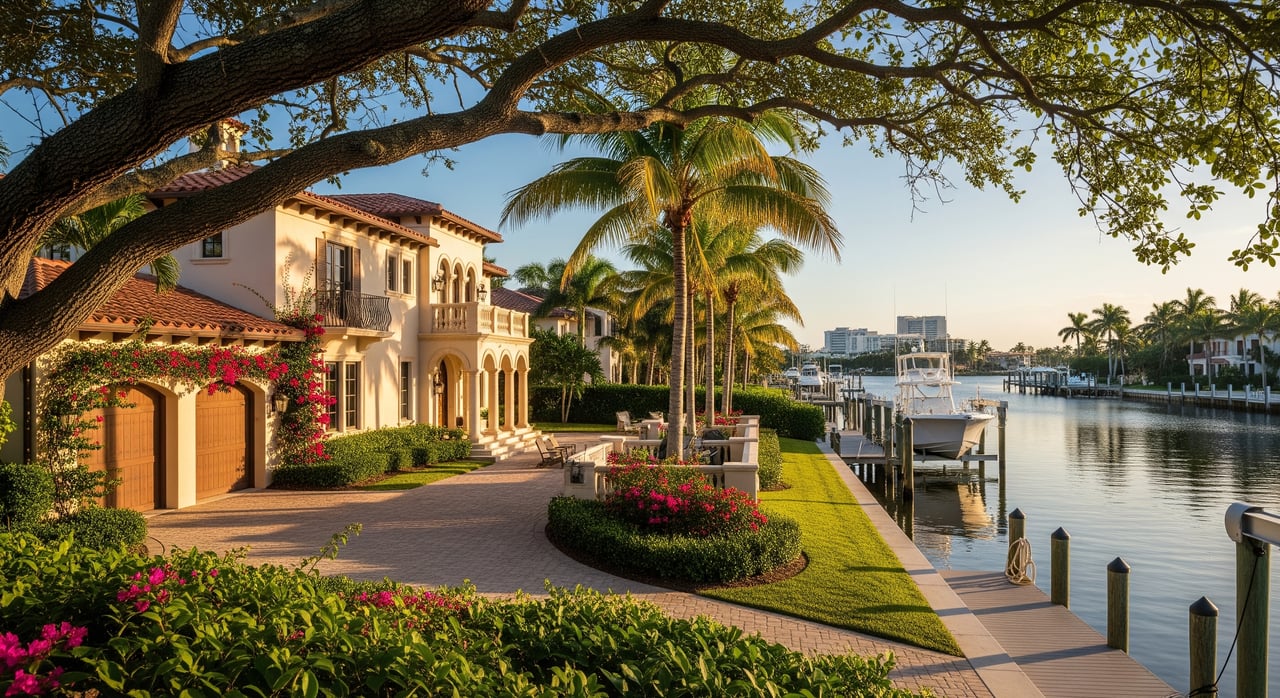
Your home sits on tidal waterways connected to the St. Lucie River and Indian River Lagoon. Buyers look for boating access, views, and peace of mind on insurance and maintenance. Here is how those factors translate to value.
Frontage and frontage type
- Linear feet matter, but frontage type often matters more. Direct river or main-channel frontage typically commands a premium over canal frontage.
- Deep canal frontage usually values higher than shallow canals or mangrove edges.
- Orientation and exposure affect enjoyment. Morning sun vs afternoon sun, prevailing winds, and how the shoreline frames the view all play a role.
Dockage, boat access, and marine improvements
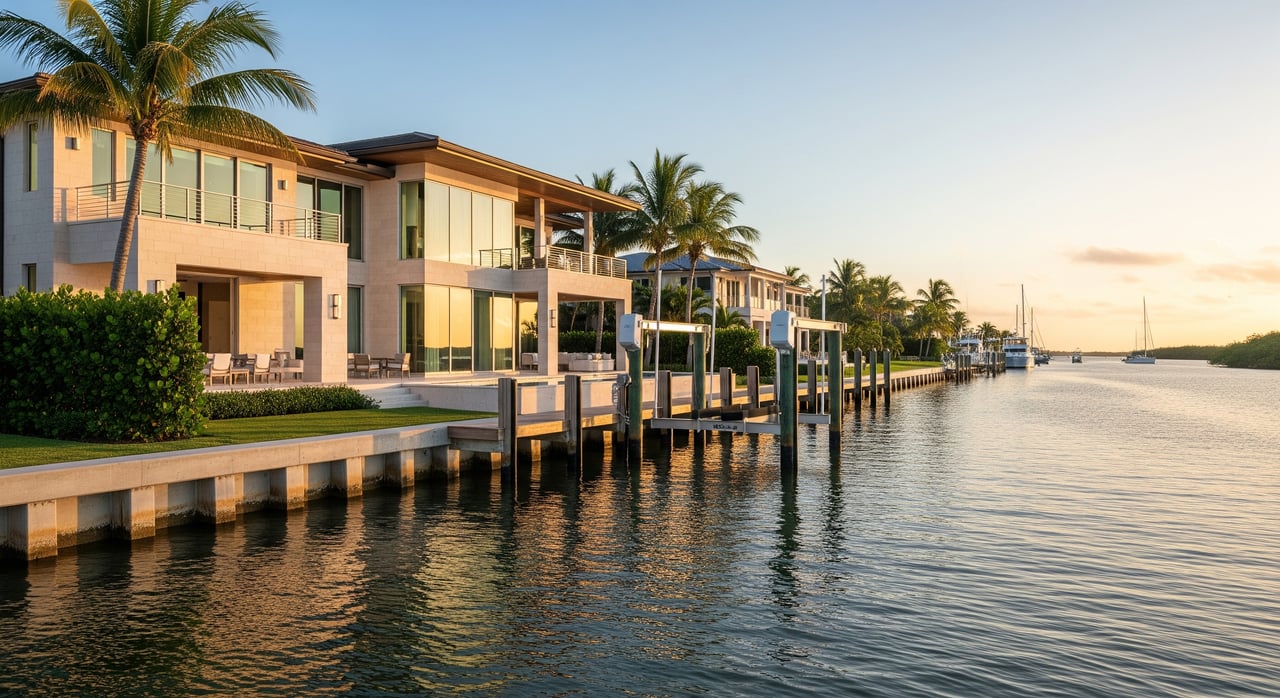
- A permitted, well-maintained dock adds meaningful value. Features like boat lifts, multiple slips, and depth at mean low water expand the buyer pool, especially for larger vessels.
- Seawall type, age, and condition are critical. Newer concrete bulkheads typically outrank older timber. Replacement costs are significant and often priced into negotiations.
- Permit history matters. Documented permits can protect value; unpermitted work can require remediation or price concessions.
Elevation, flood risk, and insurance
- Finished floor elevation and FEMA flood zone drive insurability and premiums. Higher elevations can reduce costs and widen your buyer pool.
- To verify your current flood zone, use the official FEMA Flood Map Service Center.
- For long-term perspective on sea-level rise and tidal flooding context, review the NOAA Sea Level Rise Viewer.
View quality, sightlines, and privacy
- Wide, unobstructed vistas usually earn a premium over partially blocked views.
- Privacy, setbacks from neighboring docks, and the type of channel activity (busy vs quiet) influence appeal.
Renovation level, systems, and hurricane readiness
- Updated kitchens and baths, recent roofing, and modern HVAC all add value.
- Coastal-grade improvements such as impact windows and upgraded doors not only improve safety, they can lower insurance costs.
- Mechanical health (A/C, water heater) and utility setups (septic vs sewer) should align with expectations at your price point.
Lot size, shape, and potential
- Usable yard behind the seawall, room for a pool or outdoor kitchen, and scope for dock expansion can support higher pricing.
- Zoning, easements, and environmental rules can limit additions. Know your constraints before you price.
Market conditions and timing
- Look at recent closed sales on the same water body and similar exposure.
- Days on market, list-to-sale ratios, and seasonal patterns matter. Winter often brings more waterfront demand from out-of-state buyers.
Permitting and coastal rules
- Many shoreline projects require approvals from state or federal agencies. Review guidance from the U.S. Army Corps of Engineers Regulatory Program and Florida’s coastal programs at the Florida Department of Environmental Protection.
- Permits for docks, lifts, seawalls, and mangrove trimming are common requirements. Clear documentation supports value.
How to build a waterfront CMA
Follow this step-by-step method to create a defensible pricing range for your North River Shores home.
Step 1: Set your market window and sources
- Pull closed sales from the last 6 to 12 months. If activity is thin, expand to 12 to 18 months and note time adjustments.
- Use MLS as your primary source and confirm sale details with county records. For official parcel data and recorded sale information, check the Martin County Property Appraiser.
- Use the FEMA Flood Map Service Center for current flood zones and the NOAA Sea Level Rise Viewer for long-term risk context.
Step 2: Filter for true waterfront comparables
Prioritize comps that match your home on:
- Frontage type and linear feet (river vs canal vs basin) and similar exposure.
- Dock features: presence, lift, slips, and depth at mean low water.
- Seawall type, age, and condition, plus permit status.
- Finished floor elevation and FEMA flood zone.
- Living area, bed/bath count, lot size, age, renovation level, and utilities.
Step 3: Adjust for the waterfront differences
Make clear, supportable adjustments. If precise dollar figures are not supported, use relative magnitudes.
- Frontage: adjust on a per-linear-foot basis or use tiers (low/typical/high frontage).
- Dock: none vs simple dock vs dock with lift vs multiple slips, and depth differences.
- Seawall: new vs fair vs failing. Replacement cost often sets the adjustment magnitude.
- Elevation/flood: reflect insurance cost differences and marketability effects.
- Views/privacy: premium for wide, unobstructed vistas; discount for obstructions.
- Interior condition: use local per-square-foot renovation ranges or feature-level adjustments.
Document the rationale behind each adjustment and cite any local cost estimates or contractor quotes you use.
Step 4: Reconcile to a final range and listing strategy
- After adjustments, establish a probable sale price range.
- Consider current supply, recent days on market, and seasonality.
- Choose your strategy: price mid-range to drive broad interest, price slightly under for speed, or price aspirational if your home aligns multiple premium attributes and competition is limited.
Step 5: Prepare disclosures and contingencies
- Gather elevation certificates, dock and seawall permits, a recent survey, and any insurance quotes.
- Note any unpermitted work or seawall concerns upfront. Transparent documentation can prevent contract issues.
Quick pricing rules of thumb
- Start with comps on the same water body, then layer in frontage type, dockage, seawall, elevation, and renovation. Do not rely on off-water price-per-square-foot metrics.
- Treat limited frontage or blocked views more like “near-water” than true waterfront when setting adjustments.
- When deep water, a permitted dock with lift, a newer seawall, higher elevation, and an open view align, expect a meaningful combined premium, supported by local comps.
Pre-listing checklist for North River Shores sellers
Use this checklist to strengthen your pricing and protect your leverage.
Documentation and condition
- Obtain an elevation certificate and a current property survey showing waterfront boundaries.
- Assemble permits and maintenance records for your dock, lift, and seawall.
- Order a roof inspection and consider a general home inspection. Get quotes for any needed seawall or dock repairs.
Marketing and show-ready prep
- Measure and state your linear waterfront footage and dock depth at mean low water.
- Capture high-quality photos, including low- and high-tide shots and aerials to show view corridors and boat access.
- Highlight boating details: distance and route to the Intracoastal and ocean, any fixed bridge clearances, and navigational considerations.
Insurance and financial prep
- Note your FEMA flood zone and provide recent flood insurance premium information if available.
- Prepare a short list of recent nearby waterfront sales to justify pricing to buyers.
Staging and small improvements
- Address visible seawall or dock issues if cost-effective.
- Declutter outdoor areas and showcase dock functionality and seating zones.
- Trim landscaping, where permitted, to open sightlines while maintaining privacy rules.
Timing and list-price strategy
If comparable inventory is high or your timeline is tight, consider listing at the mid to lower end of your adjusted range to capture attention. If inventory is limited and your home aligns premium features like deep-water access, a newer seawall, higher elevation, and a renovated interior, you can test the upper range. Seasonal demand often increases in winter, so timing your launch with polished visuals and complete documentation can amplify results.
Permits and coastal compliance to confirm
Before you finalize pricing and go live, confirm whether any planned or past shoreline work requires permits. Federal guidance is available through the U.S. Army Corps of Engineers Regulatory Program, and Florida coastal rules are published by the Florida Department of Environmental Protection. If you need flood zone verification for insurability or disclosures, consult the FEMA Flood Map Service Center. For a longer-term view of tidal trends, use the NOAA Sea Level Rise Viewer.
A local, high-touch path to the right price
Waterfront pricing in North River Shores is highly granular. The right number comes from precise comps, smart adjustments, and complete documentation. If you want a property-specific CMA, professional media, and distribution that reaches serious waterfront buyers, let’s talk. Schedule a consultation with Johannes Bartl for a custom valuation and a plan to take your listing to market with confidence.
FAQs
How do I factor flood zones when pricing a North River Shores home?
- Verify your flood zone at the FEMA Flood Map Service Center and reflect expected insurance costs and buyer eligibility in your adjustments; higher elevation often improves insurability and value.
How much value does a private dock add in this neighborhood?
- It depends on features and depth; a permitted dock with a lift and adequate mean low water depth generally adds meaningful value compared to similar properties without dock access, supported by local comps.
How important is seawall condition to buyers?
- Very important; seawall replacement and structural repairs are costly, so buyers typically price in the condition and may request credits or repairs if the seawall shows failure or deferred maintenance.
Should I disclose unpermitted work on my dock or seawall?
- Yes; disclose and seek guidance on remediation because unpermitted shoreline improvements can slow or derail a sale and often reduce negotiating leverage.
What photos and data should I include in my listing to support price?
- Provide linear waterfront footage, dock depth at mean low water, high- and low-tide images, and aerials that show view corridors and boat routes, plus permits and maintenance records for dock and seawall.