Your home’s first showing now happens online. Buyers expect to explore listings through polished video, drone views, and interactive 3D tours long before they step inside. If you are selling in Sewall’s Point, a little camera-focused prep can make a big difference in how your home looks on screen and how fast it attracts the right offers. In this guide, you will learn how to stage for the lens, time your shoot around coastal weather, and understand what your media team will handle so you can focus on results. Let’s dive in.
Why video and 3D tours matter
High-quality media is not a bonus. It is expected. Industry research shows buyers rely heavily on online search, and they value listings with photos, floor plans, and virtual tours. You can see this shift in buyer behavior in the latest summary of digital-first trends from the National Association of Realtors. NAR’s fast facts highlight how central online tools have become.
Immersive 3D tours and walkthroughs often drive more engagement and can shorten time on market. A vendor study widely cited in the industry found properties with 3D tours can sell faster and attract more attention than photo-only listings. Matterport details those results. Sellers also report that rich media supports better outcomes, which mirrors broader consumer patterns in recent seller trend reports. Zillow’s sellers report reflects these digital expectations.
The takeaway is simple. Your video, drone, and 3D assets are your listing’s storefront. Prepare well before the cameras arrive so every frame sells your story.
Sewall’s Point factors to keep in mind
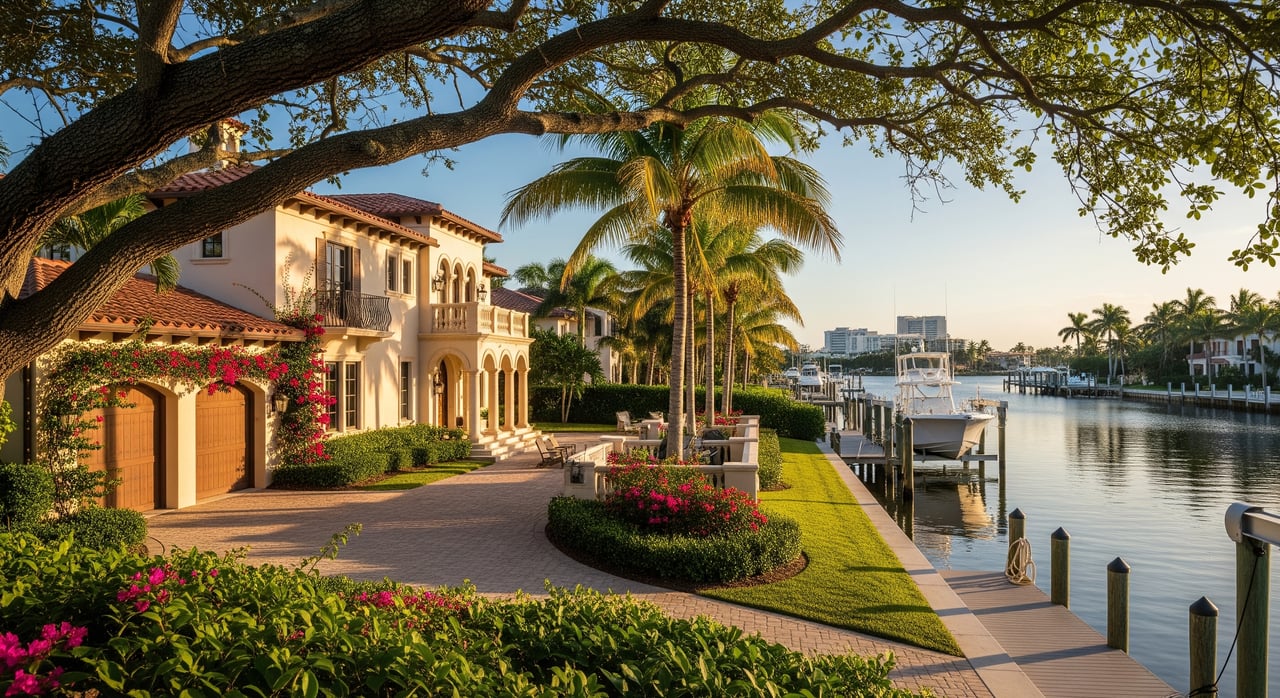
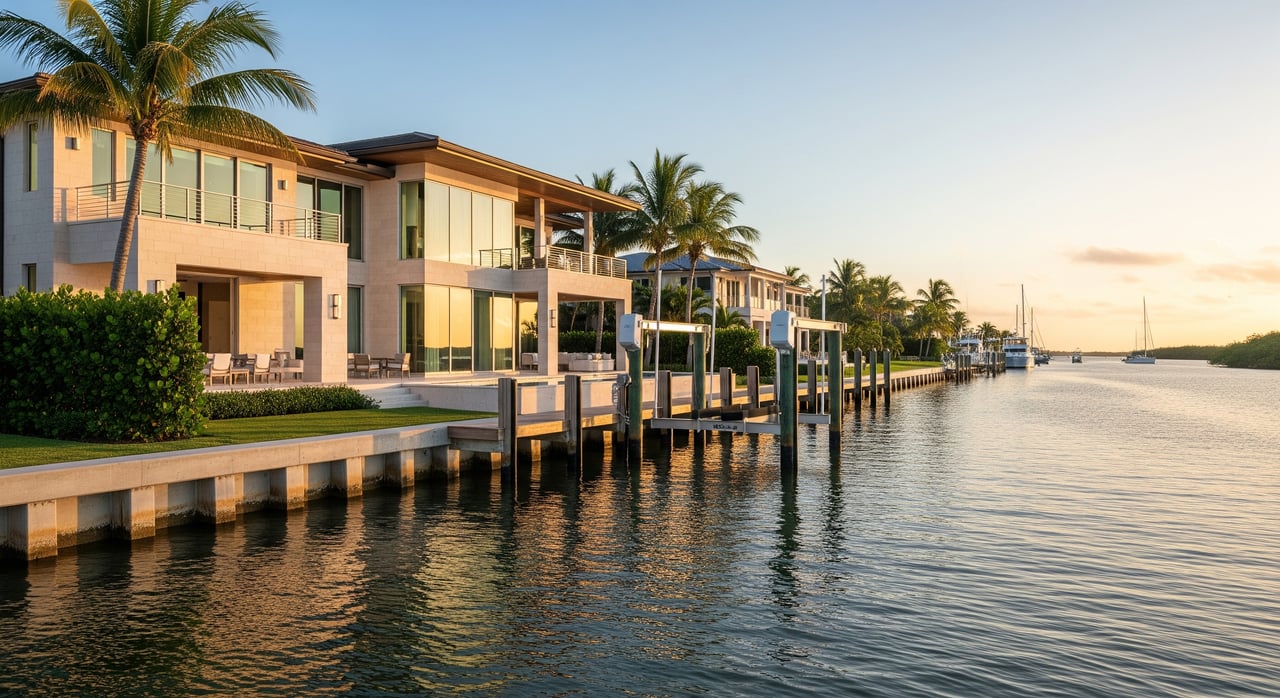
Sewall’s Point sits on a peninsula between the St. Lucie and Indian River Lagoon system. The market skews to waterfront and higher-value single-family homes, which makes drone context and clean water views especially important on camera. Waterfront features like docks and boat lifts benefit from extra tidying so they read as assets, not distractions.
As a coastal town, Sewall’s Point references FEMA flood maps and local permitting standards. Waterfront sellers should be ready to confirm flood-zone details and related disclosures with their agent before marketing. You can review local FEMA information through the town’s resource page to understand how buyers and lenders may evaluate location and flood zone. The Town of Sewall’s Point links to FEMA resources here.
Timing also matters. The Atlantic hurricane season runs from June 1 to November 30, with the highest activity typically in late summer through early fall. Plan exterior shoots and drone flights around calm, clear windows rather than squeezing them into a week with active storm watches. Check the National Hurricane Center for current outlooks.
Pre-shoot prep that reads best on camera
Your media team can do a lot in postproduction, but nothing beats a clean, bright, and uncluttered space on shoot day. The camera sees everything, from streaks on shower glass to cords by the coffee machine. Focus on these steps first.
Living areas that look spacious
- Declutter surfaces and pack away most personal photos and collectibles. The lens reads clutter as smaller rooms. Guidance from real estate photographers consistently places decluttering at the top of the list. This photographer’s prep list is a solid reference.
- Create one simple focal point per room, such as a clean coffee table vignette or a single piece of art. Busy rooms feel chaotic on video.
- Replace any burned bulbs and use consistent color temperatures so rooms feel even and bright.
Kitchens and baths that feel fresh
- Clear counters of small appliances, paper towels, and soap bottles. Leave only a couple of neutral accents.
- Clean reflective surfaces. Buff stainless appliances, wipe shower glass, and polish fixtures. Smudges look larger in 4K.
- Put away personal toiletry items and close toilet lids. Small details signal care.
Bedrooms that invite calm
- Use neutral bedding and fluffed pillows. Aim for a resort-like, simple look.
- Clear nightstands except for one or two matching lamps or a book and small plant.
- Tuck cords and chargers out of sight.
Windows, light, and line of sight
- Clean windows, mirrors, and TV screens so there is no haze or glare. This is critical for capturing water views through glass.
- On shoot day, open blinds and turn on all interior lights, unless your media team directs otherwise. Consistent lighting helps editors balance exposures.
Outdoors and waterfront features
- Tidy docks, coil hoses, and remove tarps or storage bins from the frame. Waterfront context is a selling point when it looks intentional, not cluttered. These exterior clean-ups show well on camera and are often flagged by photographers before a shoot. Use the same prep mindset outdoors as indoors.
- Trim landscaping, blow off the pool deck, and skim the pool. If you plan a twilight session, confirm that all exterior lights are working.
Why staging help often pays
NAR’s research shows that staging can reduce time on market and help buyers visualize a property. Even a short consult can refine furniture placement and decor choices so every camera angle reads clean and neutral. NAR’s report highlights these benefits.
Coastal readiness: humidity, storms, and curb appeal
Florida’s climate adds a few extra to-dos, especially when media will highlight large glass openings, waterfront exposures, and landscaping.
- Control indoor humidity. The EPA suggests keeping humidity in the 30 to 50 percent range to deter condensation and mold. If you see visible mold or moisture issues, address them before photography to avoid negative first impressions. Read the EPA’s brief mold guide.
- Choose or maintain salt-tolerant plants near shoreline exposures. Healthy, trimmed foliage in the foreground frames the house beautifully, and salt-burned leaves can distract on video. UF/IFAS offers examples of salt-tolerant plants.
- Watch the weather. If there is an active advisory, reschedule exterior and drone sessions. Many coastal buyers value resilience features, so clean, well-documented protections like shutters can be a plus in your marketing. Track the current hurricane outlook.
What your media team will handle
A strong agent-led production plan takes the stress off you and ensures the right deliverables for today’s buyers.
- Scheduling and lighting strategy. Exterior “hero” shots often look best in early morning or late afternoon. Interiors are typically captured mid-day with natural light. Your team will map this out for you. See a pro overview of real estate video planning.
- Video formats and lengths. Expect a 60 to 90 second highlight reel for social, plus a 2 to 3 minute walkthrough for the listing. Short vertical clips are ideal for Reels and Shorts.
- Stabilization and pacing. Gimbals, tripods, and moderate wide lenses keep lines straight and scale accurate. Editors need clean, steady holds for each room.
- Drone and aerials. Your team will confirm safe weather windows and any constraints, and will communicate with neighbors as needed for courtesy.
- 3D tour and floor plans. An interactive digital twin helps remote buyers understand layout, and it can increase engagement. Learn how 3D tours support faster sales.
- Postproduction. Standard edits include color balance and sky replacement through windows. If virtual staging or significant visual changes are used, the listing should clearly disclose it to avoid confusion.
Typical high-end deliverables
- Edited highlight reel, horizontal and vertical
- Full walkthrough video, plus an unbranded MLS-safe version
- Professional stills, including twilight if scheduled
- Drone clips and aerial stills
- Interactive 3D tour with 2D or 3D floor plans
- Short social clips optimized for Instagram, TikTok, and YouTube Shorts
A simple pre-shoot timeline
- 2 to 3 weeks out. Finalize the media scope with your agent, book dates, and begin decluttering. Order any quick replacements like bulbs or simple hardware.
- 3 to 7 days out. Confirm crew parking and access, pet plans, pool and yard service, and trash removal. Share system ages or warranties with your agent so buyers can get quick answers.
- Shoot day. Plan to be out of the house with pets. Photo sessions often take 1 to 3 hours. Add 1 to 3 hours more for video and 3D, plus a separate twilight if needed.
- Delivery. Photos typically deliver within 2 to 3 days. Edited video and 3D links often arrive within 3 to 7 business days, depending on scope.
Quick boxed checklists
Seller pre-shoot checklist
- Clear counters and hide personal photos; remove fridge magnets
- Make beds with neutral bedding; fluff pillows
- Put away small appliances and cords; hide trashcans
- Clean windows, mirrors, and glass doors; wipe pool deck and docks
- Replace burned bulbs; open blinds; turn on all lights for the shoot
- Park cars off the driveway; remove contractor materials and eyesores
- Arrange pet care; remove litter boxes and food bowls
Media and agent checklist
- Confirm scope: photos, 3D, drone, twilight, social reels
- Confirm date, time, and a weather back-up plan
- Confirm parking, access instructions, and any neighbor notices for drone
- Confirm working utilities and note any in-progress repairs
- Confirm whether virtual staging or edits require disclosures
Final tips for Sewall’s Point sellers
If you prepare with the camera in mind, your video and virtual tours will feel crisp, inviting, and true to life. Keep your rooms simple and bright, frame your waterfront assets neatly, and schedule shoots around clean weather. Your media team will handle the heavy lifting so you can focus on the move.
If you are thinking about selling in Sewall’s Point, let’s build a media plan that meets today’s buyers where they shop. Reach out to Johannes Bartl to schedule a consultation or request a free valuation.
FAQs
Why do Sewall’s Point listings benefit from drone footage?
- Aerials show waterfront context, lot position, and proximity to waterways, which matter to many coastal buyers and help them visualize the setting before an in-person tour.
How long should my real estate video be for best engagement?
- A 60 to 90 second highlight performs well on social, paired with a 2 to 3 minute walkthrough for your listing page or website, which balances pacing with detail.
When should I schedule exterior shoots during hurricane season?
- Avoid weeks with active watches and aim for clear, calm periods; use the National Hurricane Center to help plan a flexible window with your media team.
Do 3D tours really help my listing perform better?
- Many listings with interactive 3D walkthroughs see higher engagement and can spend fewer days on market, as summarized in Matterport’s industry study.
What if I notice humidity or mold before the shoot?
- Address it right away; the EPA advises reducing indoor humidity and fixing moisture sources since visible mold on camera can deter buyers, see the EPA’s brief guide.