Thinking about a Palm City address but not sure if a gated community is worth it? You are not alone. Buyers here often weigh privacy, amenities, rules, and recurring costs against space, flexibility, and budget. In this guide, you will see how gated and non-gated living compare in Palm City across access, amenities, costs, rules, insurance, and resale so you can choose with confidence. Let’s dive in.
Gated vs non-gated at a glance
- Gated often means controlled access, shared amenities, and higher HOA dues. Non-gated can offer more freedom, larger lots, and lower recurring costs.
- In gated golf or yacht enclaves, you may see separate club membership costs on top of HOA dues. In non-gated pockets, you may trade amenities for private yard space and autonomy.
- Price bands vary by micro-market. Amenity-rich gated neighborhoods often sit above the Palm City median, while non-gated areas show a wider price spread. Always compare recent comps in the specific community before you decide.
Access and security
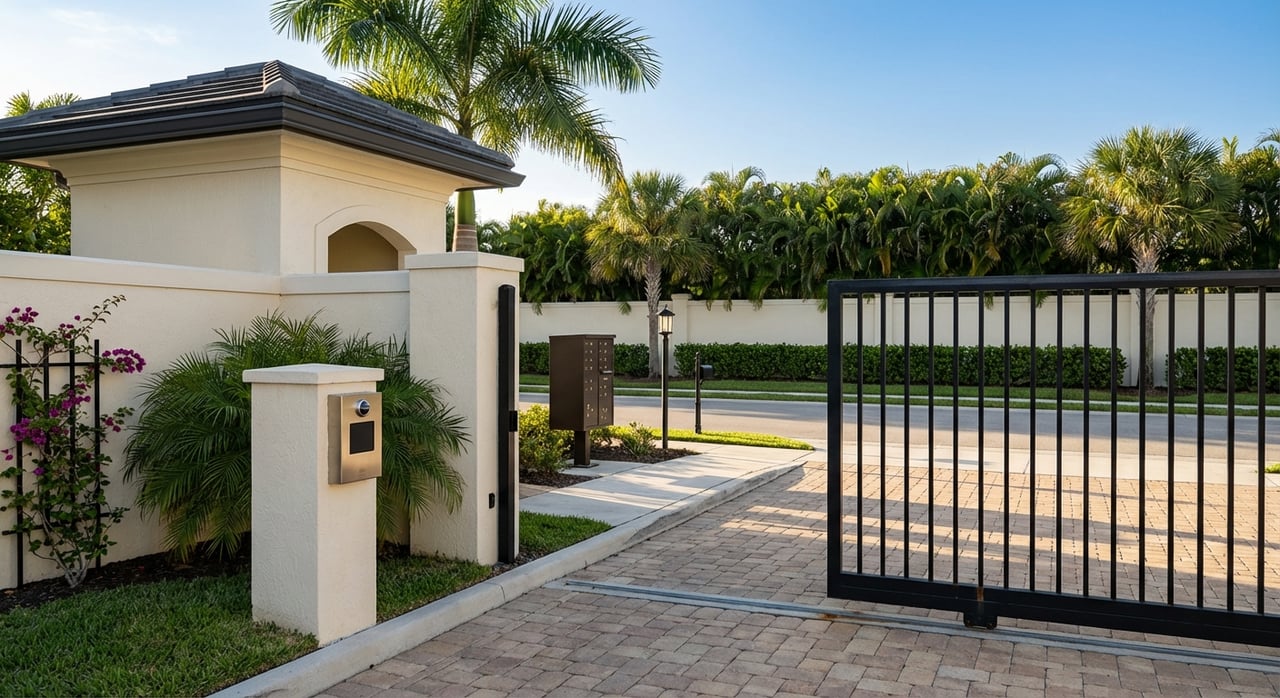
Gated communities in Palm City commonly use manned or electronic gates and limited public access. Some highlight 24-hour patrols or staffed entries. The gate provides privacy and control of visitors, not a guarantee against crime. Communities such as Cobblestone advertise guard-gated entries, so it helps to ask how gates are staffed, monitored, and maintained. You can review a community example by looking at the Cobblestone Country Club site for context on guard access and policies found in public materials at Cobblestone Country Club.
Non-gated neighborhoods function like public streets. Some are still part of an HOA with shared amenities. Others, like acreage pockets and parts of Palm City Farms, may have minimal or no HOA and wider flexibility for how you use your property. If privacy and space matter more than a staffed entry, non-gated could be a fit.
For a general view of safety trends, buyers sometimes consult resources like NeighborhoodScout’s Palm City crime overview. Always compare homes on their own merits and consult local data when needed.
Amenities and lifestyle
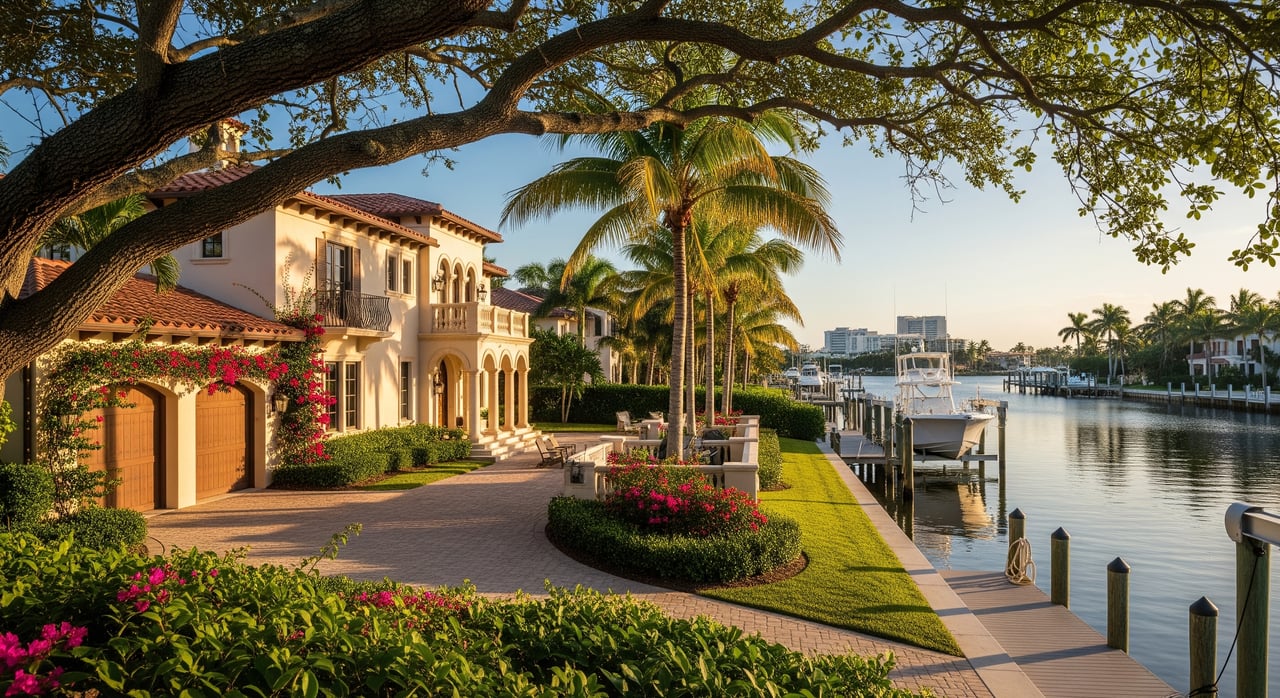
- Gated communities often bundle clubhouses, pools, fitness rooms, tennis or pickleball, walking paths, and, in some enclaves, golf or marina access. In Palm City, examples include golf enclaves such as Monarch, Hammock Creek, and Cobblestone, newer estate communities like Canopy Creek with a clubhouse and pool, and riverfront options such as Palm Cove with a marina and golf. More amenities usually means higher dues and possible add-on costs.
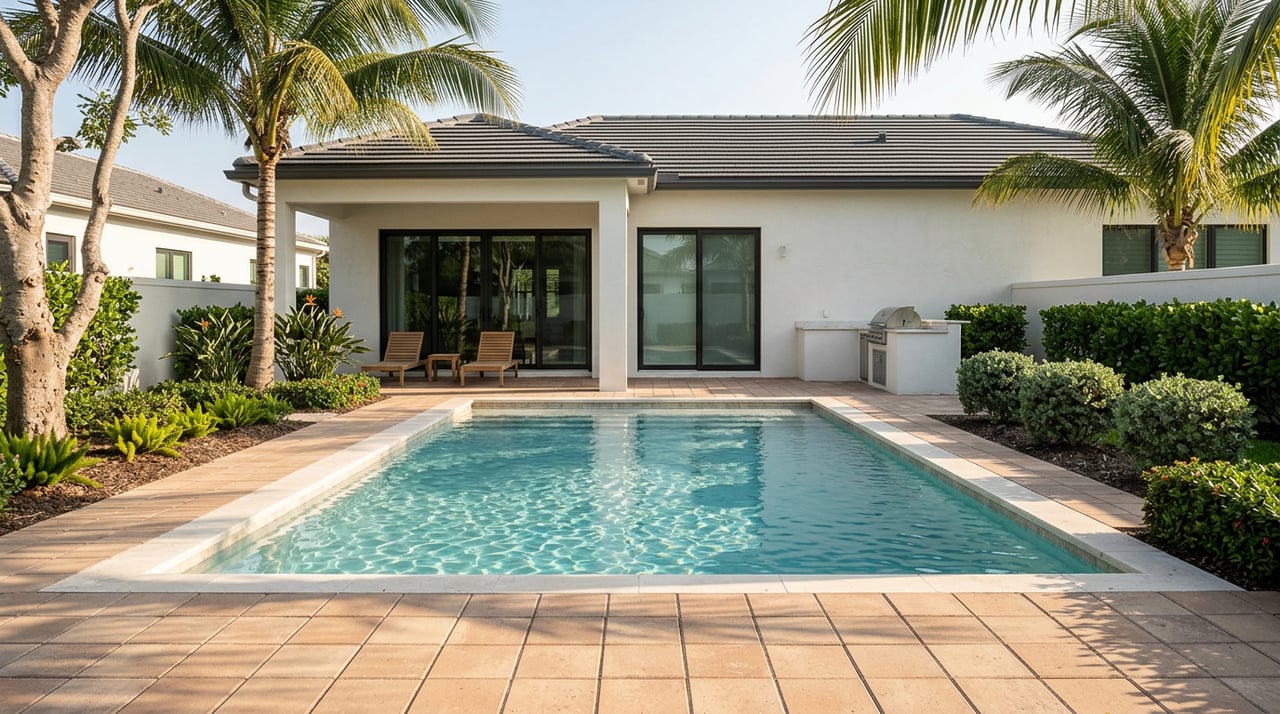
- Non-gated areas vary. Some have small neighborhood parks or a community pool. Acreage pockets often have no shared facilities. Families who want a larger private yard or room for hobbies sometimes prefer these settings over a shared amenity package.
Costs and fees
HOA dues vary widely in Palm City. Listing examples and community pages commonly show:
- Hammock Creek enclaves in roughly the $98 to $168 per month range.
- Monarch Country Club in the ballpark of $450 to $550 per month, depending on phase and home type.
- Cobblestone in the low hundreds per month, often noted between about $117 and $152.
- Canopy Creek in the mid-hundreds per month, often around $365 to $389 in developer or community materials.
These figures are representative examples only. Always confirm current dues in writing for the specific address and phase.
Club memberships are separate in many golf or yacht communities and can be optional or required depending on the deed and club rules. Request the membership schedule in writing and confirm whether any buy-in or annual minimums apply.
Special assessments are possible if reserves are underfunded. Florida’s HOA law outlines how associations budget, levy assessments, and keep official records. You can review the Florida Homeowners’ Association Act at the Florida Senate’s Chapter 720 page and ask for the budget, reserve study, and recent meeting minutes. Industry guidance on reserve planning can help you spot risk; see this reserve study primer for what to look for.
Rules and flexibility
Gated and HOA communities enforce recorded covenants and rules. These can include exterior changes, fencing, pet policies, parking, and limits on keeping boats, RVs, or work trucks outside overnight. If you need to park a boat on-site or want flexibility for projects or equipment, review the recorded rules before you make an offer.
Under Florida law, associations can levy fines and enforce liens in specific circumstances. Owners also have rights to inspect many official records. If you are new to Florida HOAs, scan Chapter 720 for an overview of budgets, meetings, assessments, and records.
Maintenance and services
- In many gated or HOA neighborhoods, dues cover landscaping of common areas, gate maintenance, community lighting, pool and clubhouse upkeep, security contracts, and reserves. Some regimes also include items like basic cable or exterior services, but it varies by community and by product type.
- In non-gated or no-HOA areas, you handle most maintenance directly. On acreage, private wells, septic systems, long driveways, and fencing are common. Budget for inspections and ongoing care of private systems.
Before you commit, confirm exactly what dues include. Ask for the association’s insurance certificate and any vendor contracts for gate or security so you understand how costs are structured.
Insurance and hazards in Palm City
Flood and elevation
Palm City includes both inland and riverfront properties. Flood risk is parcel specific. Before you write an offer, check the lot’s designation on FEMA’s maps using the FEMA Flood Map Service Center. If the home is in or near a mapped flood zone, ask for an elevation certificate and the current flood insurance premium or a quote.
Flood insurance costs vary with location, elevation, and coverage. Statewide averages range from mid-hundreds to low-thousands per year, but address-level quotes are the only reliable guide. For a quick overview of Florida flood insurance dynamics, see this NerdWallet summary on flood insurance in Florida. Private-market flood policies are available in some cases.
Home and wind coverage
Florida’s homeowners market has shifted in recent years. Premiums depend on roof age and type, wind-mitigation features, prior claims, and whether the home is waterfront. In some condo or townhome setups, association master policies cover certain structures while owners insure interiors and personal liability. Get quotes early from a local agent. For context on current market factors and pricing, review this Florida homeowners insurance overview.
Association vs owner coverage
Coverage rules differ by ownership type. Condominium associations usually insure the building’s structure and common elements, while unit owners carry interior and personal-contents coverage under Florida’s Condominium Act. See Chapter 718 for details. For most single-family HOAs, owners insure the dwelling and detached structures, and the association insures common areas. Confirm limits and whether any master policy deductible can be allocated to owners after a claim. Guidance on HOA operations, records, and budgets appears in Chapter 720.
Resale and price
In Palm City, amenity-rich gated enclaves like newer estate or golf and yacht communities often sell in a higher price band than the citywide median. Older or non-gated neighborhoods and acreage areas show a wider spread of price points, with condition, lot size, and location driving value. When you price a home or weigh a purchase, compare recent solds in the same micro-market, match for condition and membership obligations, and study days on market and list-to-sale ratios with your agent.
Palm City buyer checklist
Use this practical list before you make an offer:
- Request the full governing documents set. That includes the Declaration or CC&Rs, bylaws, rules, and any recorded amendments. Florida law defines owner rights to inspect certain records. Review the Florida HOA statute if you are new to the process.
- Ask for the latest budget, insurance certificate, reserve study, and recent meeting minutes. Look for underfunded reserves, planned capital projects, litigation, and any pattern of rising dues. See this reserve study guide to decode what you receive.
- Confirm what dues cover in writing. Clarify lawn, cable, gate, security, roof or exterior services, and whether any club membership is mandatory or optional.
- Check rental and vehicle rules early. If you have pets, a boat, an RV, or a work truck, verify parking and storage rules before inspections.
- Ask about special assessment history and current reserve funding. An underfunded reserve can lead to surprise assessments.
- Verify flood zone and elevation at the FEMA map center. On acreage, order well and septic inspections and price any upgrades.
- Get home and flood quotes early. Roof age and wind-mitigation features matter in Florida. If you need a starting point, a local agent directory like GreatFlorida Palm City can help you request quotes.
- For gated entries, learn access procedures. Confirm guest and contractor access, fobs or remotes, and whether guard or gate contracts are included in dues. For a reference point on guard-gated setups, see public materials at Cobblestone Country Club.
- Ground your offer in community-level comps. Ask your agent for an MLS report focused on the exact neighborhood and phase. For tax estimates and parcel details, the Martin County Property Appraiser is a helpful reference.
Local community snapshots
- Monarch Country Club. Guard-gated golf community with clubhouse and social amenities. Representative listings often show mid-to-higher HOA dues based on phase and product type. Good fit if you value a private-club lifestyle.
- Hammock Creek. Gated sub-neighborhoods with golf adjacency, sidewalks, and community facilities. Listings often note moderate HOA dues and proximity to local services.
- Cobblestone Country Club. Guard-gated with larger lots and golf club adjacency. Representative HOA dues often sit in the low hundreds per month based on listing examples.
- Canopy Creek. Newer gated estate community with clubhouse, pool, and fitness. Community materials often show HOA dues in the mid-hundreds per month.
- Palm Cove Golf and Yacht Club. Gated riverfront option with marina slips and golf. Membership structures and pricing vary by product and slip availability.
- Palm City Farms and acreage pockets. Large lots with equestrian potential and wide flexibility. Often minimal or no HOA. Confirm zoning, well and septic, and maintenance needs.
Ready to match a lifestyle and budget to the right neighborhood? Let’s talk through your short list, run true cost comparisons, and build a plan that fits your goals. Connect with Johannes Bartl to get started.
FAQs
What is the key difference between Palm City gated and non-gated neighborhoods?
- Gated areas bundle controlled access and shared amenities with HOA rules and dues, while non-gated areas trade that structure for more day-to-day flexibility and often lower recurring costs.
How much do HOA dues typically cost in Palm City gated communities?
- Examples commonly range from about $100 to $550 per month depending on the neighborhood, amenities, and product type, but you should confirm current dues for the exact address.
Do gates reduce insurance costs on a Palm City home?
- Not directly; home insurance pricing depends more on roof age and type, wind-mitigation features, prior claims, and location factors as outlined in this Florida market overview.
Are golf or yacht club memberships required in Palm City communities?
- It varies; some memberships are optional and separate from HOA dues, while others are mandatory per deed, so request the current membership schedule in writing before you commit.
How can I check a Palm City home’s flood zone and likely flood insurance cost?
- Look up the address at the FEMA Flood Map Service Center and request an elevation certificate and quotes; this Florida flood insurance guide explains cost drivers and options.
Can I park a boat or RV at home in Palm City?
- Many HOAs restrict overnight parking of certain vehicles, so review the community’s recorded rules and know that Florida’s HOA statute outlines enforcement and owner rights.