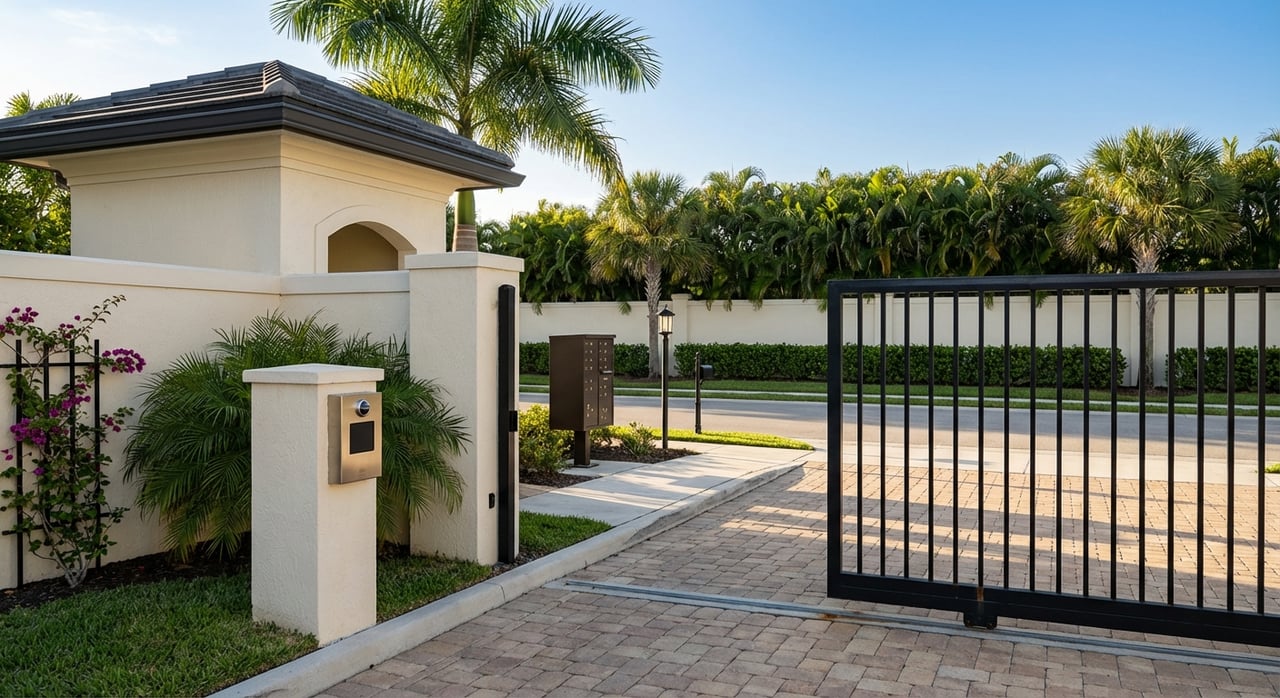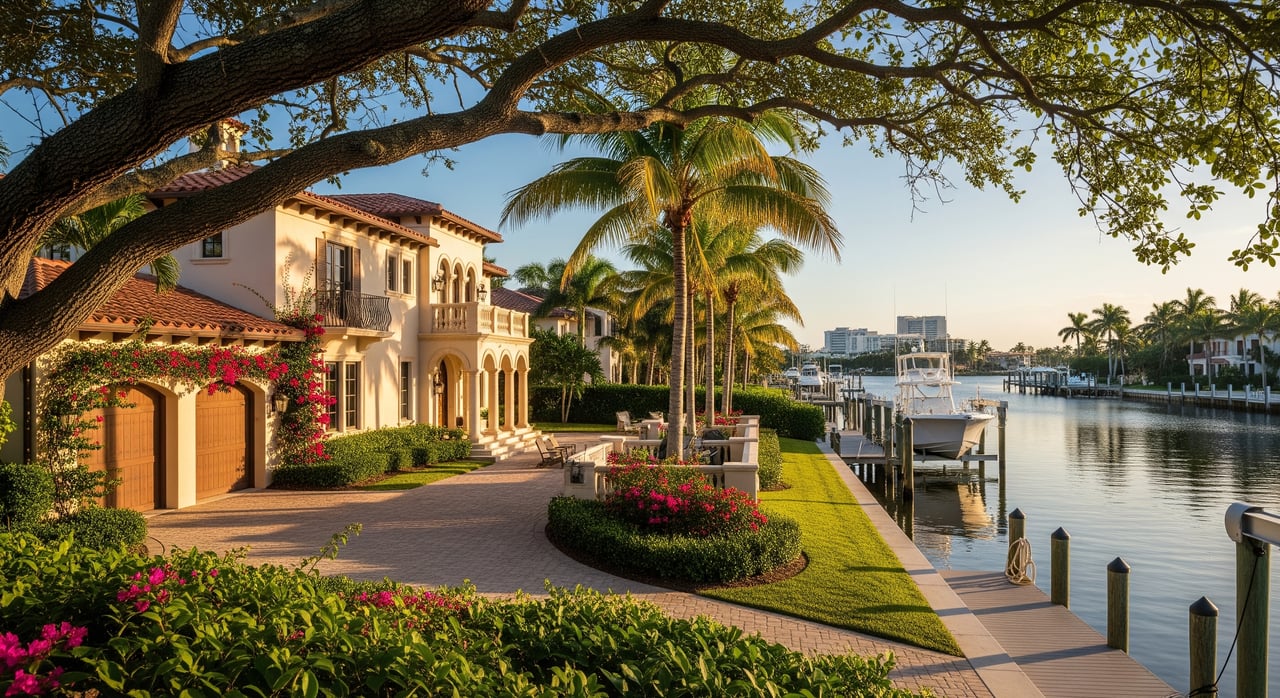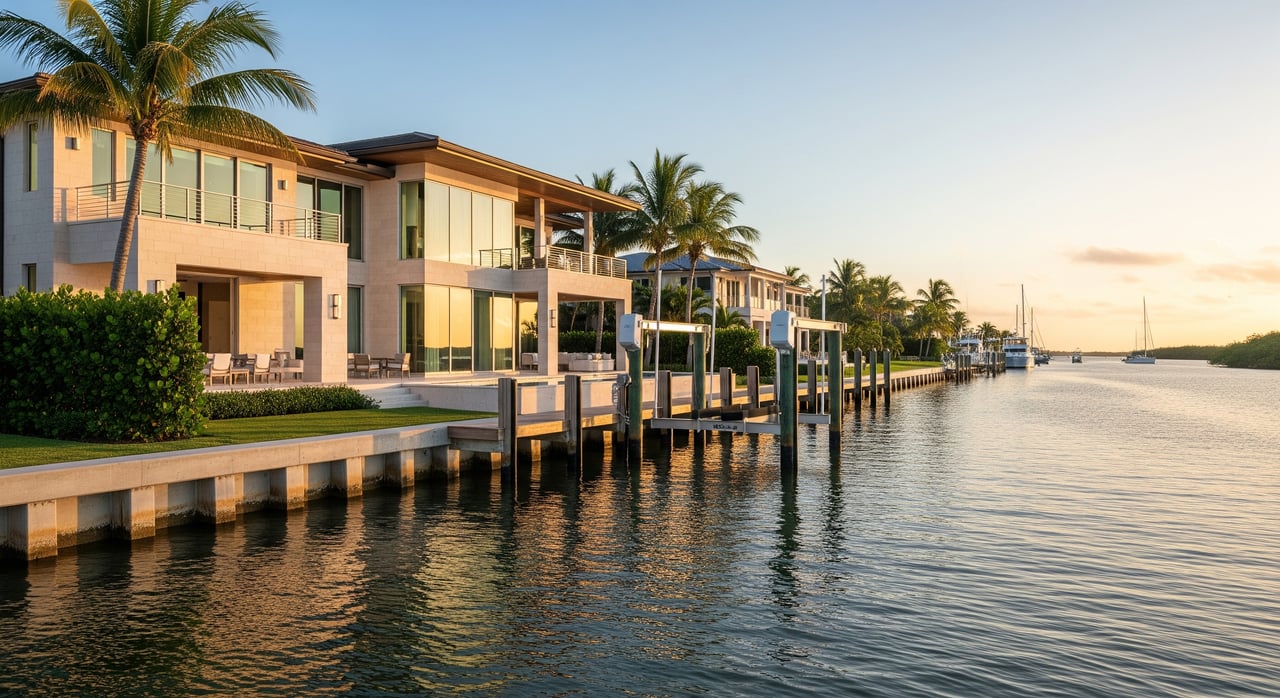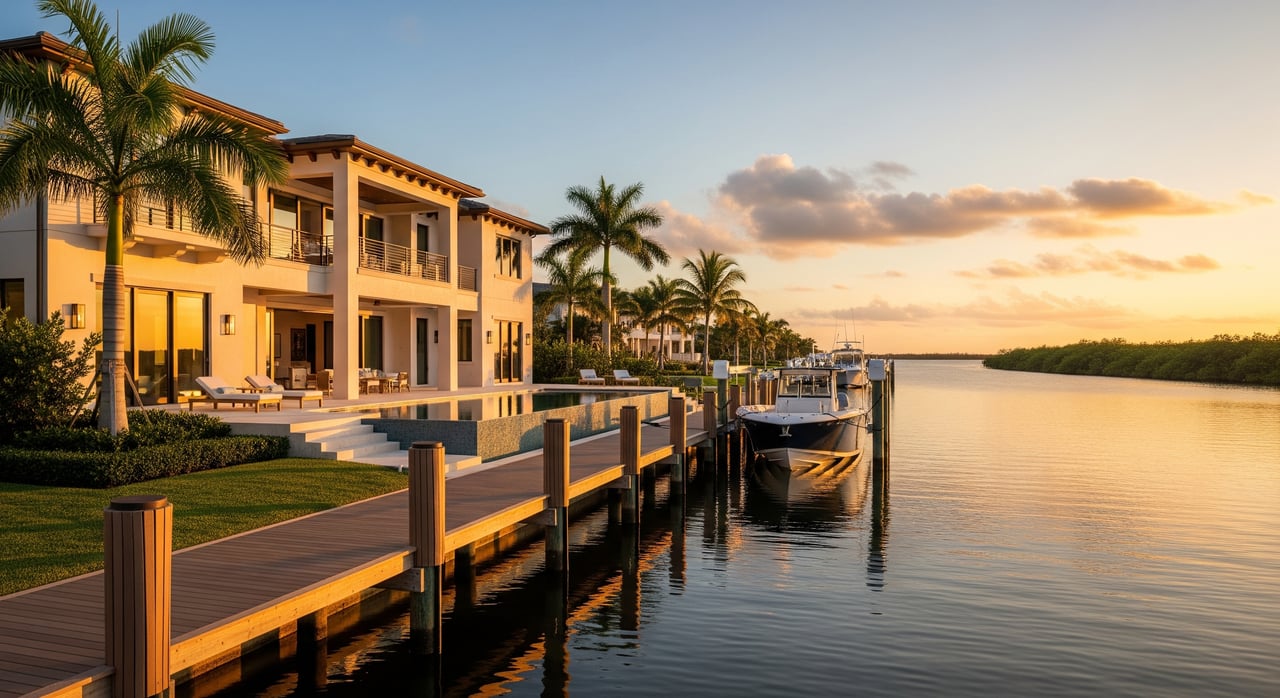
Thinking about selling your home in Sewall’s Point, but not sure when to list? Timing matters more here than in larger markets because buyer traffic is seasonal and inventory is limited. With the right window and a clear plan, you can attract more qualified buyers and shorten days on market. In this guide, you’ll learn the strongest listing months, a quarter-by-quarter strategy, a 60 to 90 day prep plan, and practical tips for waterfront properties. Let’s dive in.
Why timing matters in Sewall’s Point
Sewall’s Point is a small, waterfront-focused community. That means fewer sales each month and more month-to-month swings in days on market and pricing. A single new listing can shift local stats, so a smart timing strategy gives you an edge.
Buyer demand in this area is seasonal. You often see the most qualified traffic from late fall through spring, with the highest concentration in winter and early spring. Many northern visitors are in town then, and the weather makes showings and photography shine.
The result: your timing can either put your home in front of more active buyers or leave it competing during slower months. The best approach is to align your listing window with these patterns and pair it with strong pricing and media.
Best months to list
The overall sweet spot runs from November through April, with January through March often delivering the most buyer activity. During this period, you benefit from snowbird season, favorable weather for showings, and strong presentation for waterfront features.
If you miss that early window, April to early June can still work well. Activity typically tapers after May in some years, so pricing and staging become even more important.
Summer and early fall often bring slower traffic, plus hurricane-season logistics. That does not mean you cannot sell. It simply means you should plan for flexible showings, clear disclosures, and value-forward marketing.
Quarter-by-quarter plan
Q1: Jan to Mar — Peak window
- Highest buyer traffic from seasonal and spring buyers.
- Strong showing conditions and curb appeal. Waterfront photos and drone imagery look their best.
- Consider listing from late January through March for maximum exposure.
Q2: Apr to Jun — Good, with spring momentum
- Continued demand into early Q2. Many buyers want to close before summer.
- After May, traffic can slow. Pricing and presentation carry more weight.
- Ideal if you need extra time to prepare but still want spring buyers.
Q3: Jul to Sep — Mixed to slow
- Lower overall traffic, with many seasonal buyers out of state.
- Hurricane season peaks late summer, which can affect inspections and closings.
- If you list now, emphasize storm-hardening, flood and insurance clarity, and consider targeted incentives.
Q4: Oct to Dec — Strategic, niche window
- Early fall can capture the first wave of returning snowbirds.
- Late November and December can be quieter, but serious buyers are still active.
- List in early October to early November for a head start on winter demand.
60 to 90 day prep plan
Use this checklist to get market-ready. Adjust scope based on your home’s condition and timeline.
Phase 1: 60 to 90 days out — Planning and estimates
- Request a comparative market analysis using Sewall’s Point comps, with attention to water access and lot size.
- Line up estimates for paint, HVAC and roof checks, landscaping, and dock or screen repairs for waterfront lots.
- Confirm your insurance details, including flood zone info and any elevation certificates you have.
- Plan staging and deep cleaning. Decide whether you will use full staging or virtual staging.
- Choose your target listing window and align it with a clear marketing calendar.
Phase 2: 30 to 60 days out — Repairs, staging, and documentation
- Complete minor repairs and painting. Focus on entry, exterior, and dock or seawall areas.
- Deep clean and stage to highlight light, scale, and views.
- Gather documents: surveys, elevation certificates, dock permits, insurance policies, HOA or municipal disclosures, utility bills, appliance manuals.
- Consider a pre-listing inspection and address major items or disclose them clearly.
- Schedule professional photography, golden-hour waterfront shots, drone footage, and floor plans.
Final weeks: 0 to 30 days — Launch with precision
- Final walkthrough and staging tweaks.
- Write listing copy that highlights Sewall’s Point lifestyle and boating access, plus storm upgrades and recent maintenance.
- Set pricing strategy: competitive pricing, price banding, or a brief coming-soon period if allowed by your MLS.
- Decide on your showing plan: appointment-only or lockbox, and open house dates aligned with peak buyer availability.
- Prepare digital marketing assets for MLS, brokerage channels, social media, and targeted email.
Pricing and marketing to match timing
The right price is your most powerful lever. Timing amplifies it, but price sets the outcome.
- Peak season, Q1 to Q2: Price competitively to draw strong traffic and potential multiple offers. Spotlight scarcity and seasonal buyer demand.
- Off-peak, Q3 to Q4: Consider value-oriented tactics such as precise price bands, closing flexibility, or buyer credits that address storm-season concerns.
Marketing priorities for Sewall’s Point sellers:
- High-quality photography and drone footage for waterfront views and lot lines.
- Floor plans and accurate measurements for serious and remote buyers.
- Clear documentation on flood zones, insurance premiums, elevation certificates, and any seawall or dock work.
- Targeted outreach to northern buyer lists during fall and winter. Pair this with polished media and virtual tours to convert remote interest.
Local risks to plan for
- Hurricane season: June 1 to November 30 can bring weather delays, shifting insurance terms, and limited inspection windows. Build flexibility into your schedule and have documentation ready.
- Flood and insurance questions: Waterfront buyers often request elevation certificates and current premiums. Share these early to reduce objections.
- Dock, seawall, and permits: Ensure records and permits are organized. Unresolved items can delay closings.
- Financing vs. cash: Higher-end coastal homes often attract cash buyers, but financed buyers may require longer underwriting. Plan timelines accordingly.
Choosing your window: quick decision guide
- You can list in Jan to Mar: Do it. Prepare 60 to 90 days ahead so you hit peak visibility with strong media.
- You prefer spring but need more time: Target April to early June. Keep pricing tight and presentation top-tier.
- You need to sell in summer: Focus your message on condition, storm readiness, and value. Offer flexible terms to ease buyer concerns.
- You want to catch early snowbird traffic: List in early October to early November. Be ready with full media and flood documentation.
What to do next
If the goal is to sell quickly and well, start your prep 60 to 90 days before your ideal window. Get a local market analysis, align on pricing, and plan premium media that makes your property stand out. You will reduce surprises, build buyer confidence, and create urgency.
If you would like a custom timeline, market read, and media plan for your property in Sewall’s Point, reach out to Johannes Bartl. You will get local valuation expertise plus studio-grade marketing and distribution.
FAQs
When do homes get the most buyer traffic in Sewall’s Point?
- Late fall through spring, with the highest activity often in January through March.
Is spring or winter better for selling in coastal Martin County?
- In this market, winter and early spring often act like the traditional spring market due to seasonal visitors.
Should I wait until after hurricane season to list?
- If flexible, listing outside hurricane months can lower scheduling risk, but many sellers list in fall to capture winter buyers.
How much flood and insurance documentation should I provide?
- Share elevation certificates, recent premiums, and any seawall or dock repairs early to build buyer confidence.
How do I price a unique waterfront home in a small market?
- Use a local CMA that prioritizes recent waterfront comps and adjust for features like dock size, lot depth, and storm upgrades.